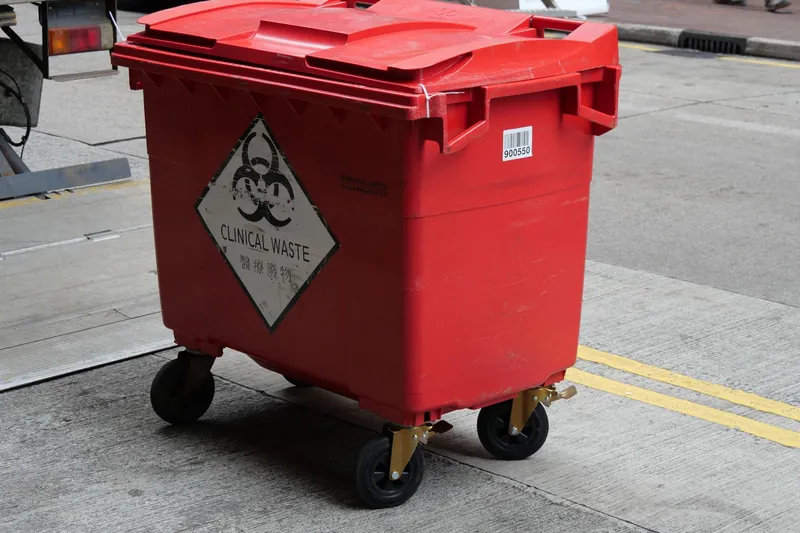
Medical Waste Removal
Medical waste removal includes disposal through facilities approved for treatment.
See medical waste removalGet discarded needles, syringes and related sharps removed from a yard, rental, park, alley or commercial property in Sedamsville. Keep people and pets away until the affected area has been searched and cleared.
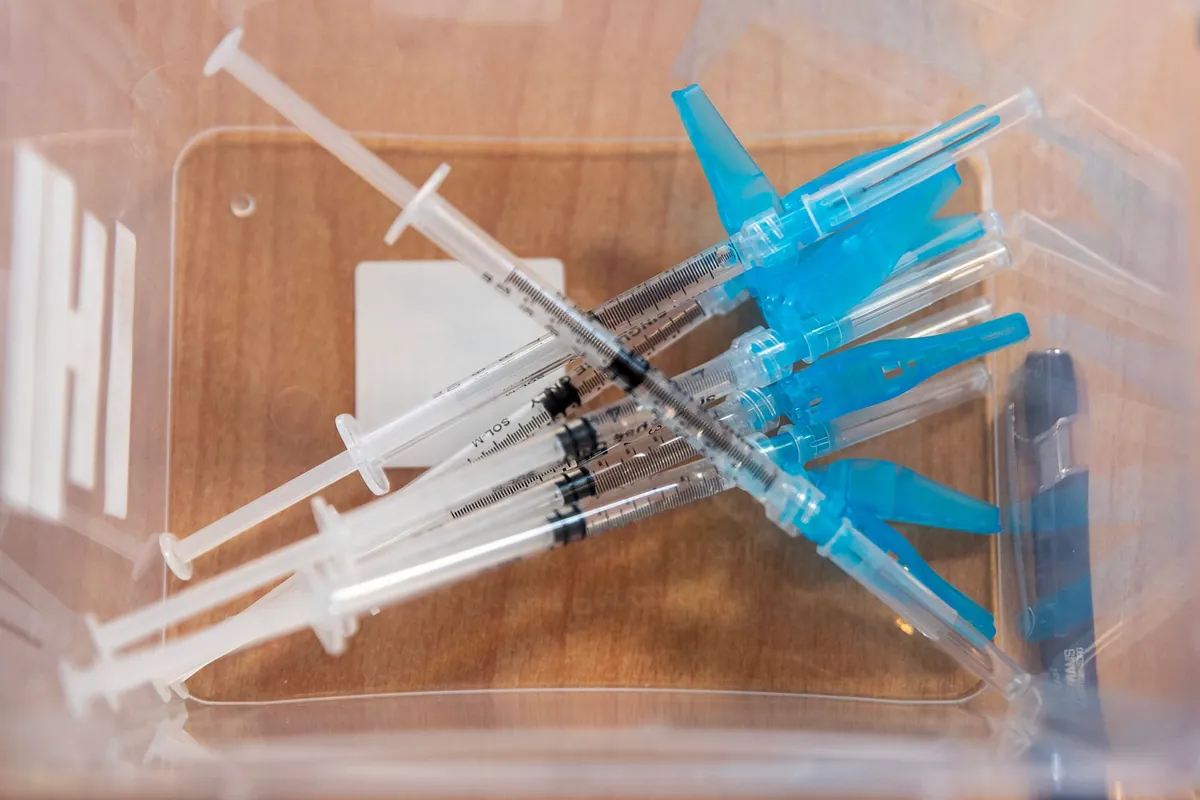
Needle and sharps cleanup means systematically looking for abandoned needles, razor blades, lancets, syringes and similar sharp items, then collecting and containing them safely for disposal that follows applicable waste rules.
One clearly seen syringe may define the job, while a bigger affected space may need an organized sweep. Grass and mulch are checked along with planters, empty units, stairs, fence lines, garbage areas, and the spaces under debris or furniture. A pickup implement such as tongs creates distance between each sharp point and the technician's hands. Rather than entering a loose sack, every object is put straight into a hard, puncture-resistant sharps container.
Needle removal may form one part of restoring property after an encampment has closed, a tenant has moved out, people have trespassed or illegal drug use has occurred. Items beside the sharps can broaden the biohazard scope, including paraphernalia, contaminated materials and small areas of bodily fluid. Everything is kept separate, then packaged and cleaned based on the material instead of being treated as ordinary mixed litter.
Calls are answered day and night, and crews can arrive in unmarked vehicles to protect privacy at homes, rentals and businesses.
Belongings are checked methodically, and items that can stay are separated from contaminated materials and waste.
Service notes, photos and available waste records help property owners, managers and insurance companies understand the completed work.
The cleanup plan covers where technicians will search, any property that may move and conditions affecting cost before the cleanup process begins.
Cleanup becomes necessary if a sharp presents a puncture risk during routine cleaning, upkeep or use of the property. Because sites and circumstances differ, the area searched needs to reflect both the discovery and the way people use that location. Examples include:
A wider inspection may be appropriate around play areas, pathways, restrooms, planted areas and parking margins when one syringe is discovered.
A syringe in grass, mulch, a fence line or an alley can be hard to see and easy to step on during routine property care.
Syringes found with pipes, foil, glass or unknown residue require care because several physical and contamination hazards may be present together.
Needles left in a unit, drawer, mattress, trash pile or common area need controlled pickup before cleaners, contractors or new occupants enter.
Begin by making sure nobody can touch the sharp. The following measured steps protect you while preserving the site so a complete sweep can be performed:
Call (888) 440-9227No dedicated dollar range for cleaning up needles and sharps appears in published pricing material. The closest comparisons are $2 to $20 per pound for medical waste disposal and $3,000 to $5,000 per job for general biohazard cleanup. They do not quote the cost of sharps cleanup. Your total reflects item quantity, finding locations, sweep coverage and disposal needs.
The figures shown are national ranges from published cost guides and are not based on an on-site visit. After an on-site assessment, the price for your property is determined and shared with you before cleanup begins.
Ask about cost: (888) 440-9227Coverage depends on why the needles are present, where they are found and the terms of the policy. Ask the insurance company before work begins when it is safe to wait.
To move forward with the claim, confirm coverage, any required approval before cleanup and the necessary photographs, service documentation or waste records.
The lease, local requirements and cause of the condition affect who pays. Property owners and managers should document the unit before removing discarded needles.
When needles are linked to vandalism, trespass or another event the policy covers, property coverage may respond. Show the adjuster pictures and explain the event plainly.
When discarded sharps are associated with a reported criminal incident, check whether state help may apply. Homeowners or renters insurance, the estate or the property owner usually pays for this kind of cleanup. The Ohio crime victim compensation program helps only when a crime caused the loss.
Needle cleanup involves access control, a deliberate search, safe collection and a final visual check. The scope changes with the property, but every step follows a clear order.
Cleanup technicians examine reported spots, recent activity on the property and relevant surfaces before defining the affected area.
Technicians restrict access and choose protective equipment for both sharp injury and contamination risks. Technicians start from an unobstructed edge.
A section-by-section search covers furniture, vegetation, bedding, trash areas, planted containers, floor edges and other places likely to conceal sharps.
Every sharp in view is collected using a pickup device such as tongs. It is not bent, broken, recapped or carried loose.
Collected needles and similar objects go straight into a rigid sharps container that resists punctures and closes before transport.
After nearby hazardous materials or bodily fluids are taken away, an EPA-registered disinfectant remains on compatible surfaces for the full contact time on its label.
Sealed containers follow the disposal path that applies to the location and material, while available waste and service documentation stays together.
Technicians repeat the visual search, identify any areas that could not be accessed and explain what was removed before the site is reopened.
You can call anytime. A specialist in needle and sharps cleanup takes your call, explains each step and agrees on a start time with you.
The main danger is a puncture or cut from a sharp that may also carry contaminated material. These serious health risks are why every discarded item should be treated as a hazard and why a wider area may need a methodical search by cleanup technicians.
An used needle can expose a person to bloodborne pathogens through a puncture. OSHA's Bloodborne Pathogens Standard, 29 CFR 1910.1030, sets worker protections when occupational exposure to blood may occur.
Tall grass, floor cracks, loose rubbish, bedding, leaves and cushions can hide needles left behind at the site. Keep the space out of normal use until the surrounding areas have been inspected.
Loose sharps can break through standard trash bags, putting anyone who moves, sorts or carries them at risk of injury. A rigid sharps container protects against punctures during the waste disposal process.
Can you clean it yourself? If you find a single sharp, do not touch it with bare or gloved hands. Keep everyone clear, then use your local sharps instructions or arrange professional cleanup. After a puncture, clean the spot using soap and water, then ask a medical professional for exposure advice without delay.
Sharps are collected in puncture-resistant containers. Nearby surfaces are cleaned when contamination is present, while ordinary property stays in place when it can be checked and safely retained.
No universal time estimate fits every site. Collecting one item that is plainly visible can be quicker than completing a wide property search. Difficult entry, thick debris and hidden sharp objects increase the duration.
| Scene | Typical time on site |
|---|---|
| One known needle in a clear location | Limited visit when the disposal route and site access are clear |
| Several areas or a rental unit | Longer search based on rooms, furnishings and hidden spaces |
| Large outdoor or debris-filled site | A longer search that may occur alongside debris clearing |
By themselves, syringes and needles generally cause neither persistent smells nor problems with air quality. Odor work is appropriate only if a pronounced smell indicates another source, such as spoiled matter, bodily fluid or nearby refuse. That source needs to be located and taken away, not hidden beneath fragrance.
Cleanup technicians can assess the surrounding areas while checking for sharps. If related contaminated materials are present, those items are packaged or removed first, and compatible hard surfaces are cleaned and disinfected. Air treatment is considered only when the actual source and affected materials call for it.
The full needle and sharps cleanup guide covers what is cleaned or removed, odor and air quality work, and the rules that apply in Ohio and Hamilton County.
Read the full needle and sharps cleanup guidePlanning for access, containment and cleanup can depend on local population, housing and entry conditions.
Sedamsville is listed about 4.0 miles from Christ Hospital, a relevant distance when prompt evaluation follows a biohazard exposure.
With Incline District, East Price Hill, and Lower Price Hill close by, accurate street and unit details help avoid confusion during a sensitive response.
Properties within this Cincinnati neighborhood may share alleys, entries, or parking, so equipment movement should be planned around nearby residents.
You can ask about cleanup in nearby communities and ZIP codes during the call.
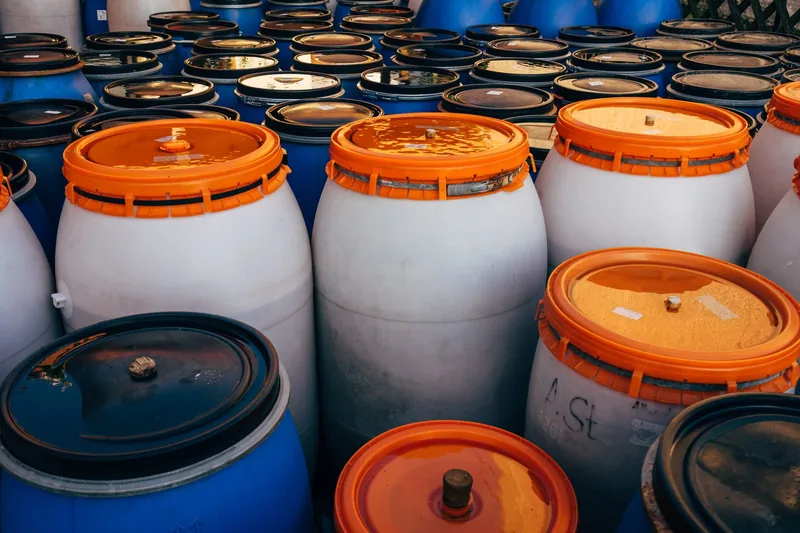
Medical waste removal includes disposal through facilities approved for treatment.
See medical waste removal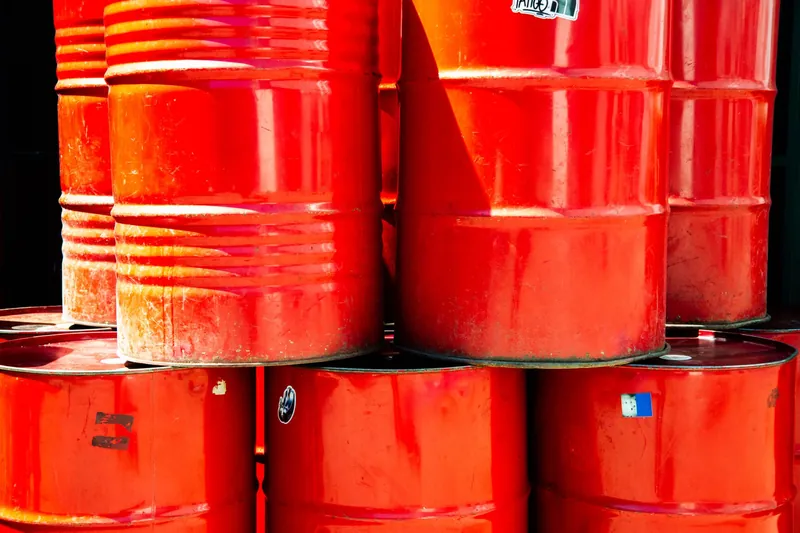
Biohazard waste pickup and disposal in sealed, labeled containers.
See biohazard waste disposal
Removal of needles, pipes and drug residue from rentals and properties.
See drug paraphernalia cleanup
Cleanup of homeless encampments removes needles, contaminated debris and waste.
See homeless encampment cleanup
Hotels, rental properties and Airbnb units receive biohazard cleanup.
See hotel, airbnb and rental biohazard cleanup
Commercial and industrial sites receive biohazard cleanup arranged around operating needs and site access.
See commercial and industrial biohazard cleanup
Cleanup controls the risk of blood exposure involving HIV, hepatitis C and hepatitis B.
See bloodborne pathogen cleanup
Any property receives disinfection after removal of infectious materials, including bodily fluids and blood.
See biohazard cleanupOn its own, a needle typically creates neither ongoing odor nor an air quality issue. Odor may come from nearby trash, bodily fluids, spoiled material or another source. The cleanup should identify and remove that source. Air treatment is not automatically necessary for sharps removal and should match the contamination actually found at the site.
Until the risk is controlled, landlords should restrict access for cleaning staff and contractors and avoid unsecured needle pickup. Professional inspection is particularly helpful if sharps could hide in vents, rubbish, drawers, furnishings or flexible materials. Before proceeding, capture what is in view, examine your policy and lease, and identify the waste route mandated by the state.
It depends, and conditions in the surrounding space should guide the decision. A lone syringe visible in a secured room presents a different search need than an item among bedding, rubbish, long grass or a common staircase. To define the affected area, consider recent activity and locations that may conceal items. You can ask the technician to explain the proposed search boundary.
A trained cleanup technician controls access, wears suitable protective equipment and uses tongs or another pickup tool instead of hands. The syringe goes directly into a rigid, puncture-resistant sharps container. It is not bent, broken or recapped. A second search looks for objects concealed by furniture, rubbish, plants and the margins of floors.
Do not allow children, pets or guests near the item. Avoid mowing or raking, and keep your hands out of the nearby grass and mulch. Arrange for pickup after marking where the sharp lies from a distance. Rather than removing just one seen item, find out whether technicians should systematically inspect adjacent yard areas for hidden sharps.
Yes, sometimes. Your request to the cleanup service should identify any foil, pipes, shattered glass, small baggies or unrecognized residue at the site. These items may create different physical or contamination risks and should be assessed separately. Confirm whether the visit includes just needle collection or also covers nearby residue, drug-related items and other hazardous waste.
Respectful, discreet needle and sharps cleanup is available 24 hours a day, and crews arrive in unmarked vehicles.